A marking such as 10-16.5 or 12-16.5 identifies a nominal tire size format, but it does not independently confirm replacement fitment. Photograph every sidewall marking, record whether the tire is pneumatic, foam-filled or solid, identify the wheel or rim, measure the installed assembly and capture the machine make, exact model and serial range. Then compare the complete evidence with the tire, wheel and machine documentation. Do not infer load capacity, inflation, offset, clearance or over-the-tire-track compatibility from size text alone.
- Marking
- Capture every character on both sidewalls
- Assembly
- Confirm tire construction, rim and dimensions together
- Fitment
- Use machine and manufacturer evidence before ordering
Capture the complete sidewall before decoding one line
Clean only enough to reveal markings without damaging the tire. Photograph the full sidewall square-on, then take close views of every size, construction, ply/service, load, speed, inflation, direction, manufacturer, model, part and safety marking. Capture both sides because information can be split.
Record the tire position and whether all four assemblies match. A replacement decision needs the installed set, not one loose tire found near the machine.
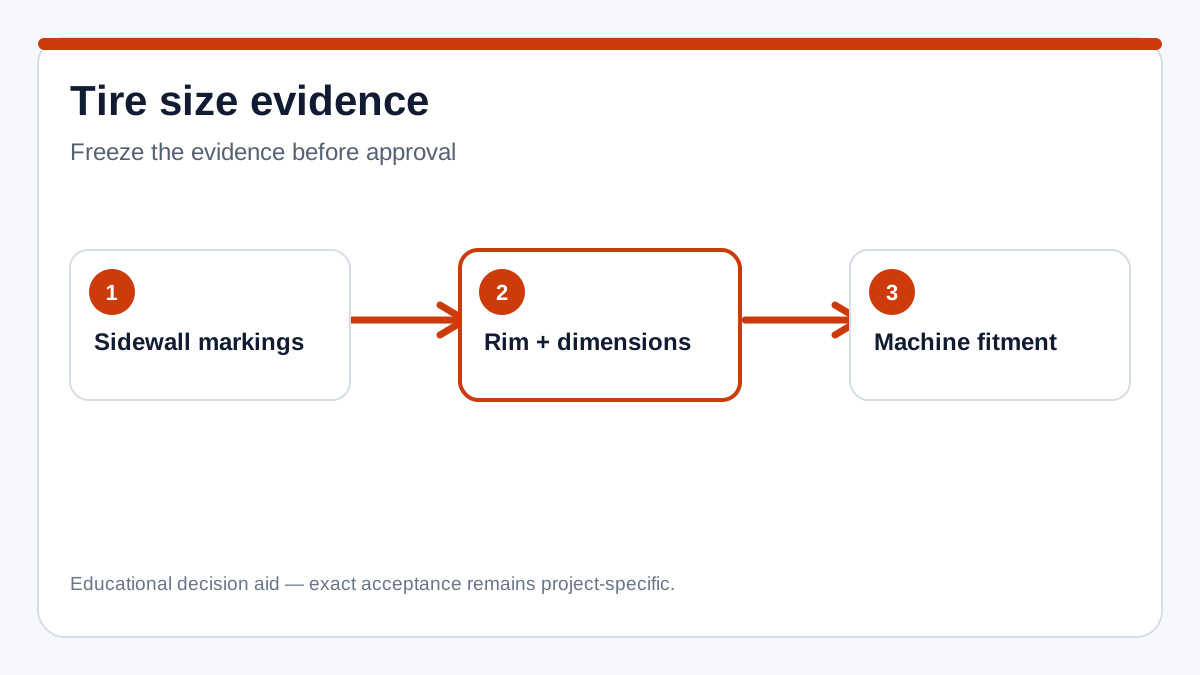
Read nominal size as a format, not a fitment verdict
Common skid steer pneumatic markings such as 10-16.5 or 12-16.5 are written as the nominal section width in inches, then the nominal rim diameter in inches. Solid tires add a leading number for overall diameter (overall diameter by width by rim). The designation does not state actual overall dimensions, and other tire families use other formats, so use the exact manufacturer guide for the marking present.
Skid steer tire size explainers from McLaren Industries and Prowler describe this width-then-rim convention. A sidewall also carries construction, ply or load, speed and inflation information; per AGTireTalk's sidewall identification notes, a dash between the width and rim numbers indicates bias construction. Read those fields from the exact tire's data, not from the size line, and confirm dimensions and ratings against the exact skid steer product table.
- Do not treat the nominal width as the exact installed width.
- Do not assume two products with the same nominal size share overall diameter, section width or load table.
- Do not convert a dash to a radial designation or vice versa without manufacturer evidence.
- Do not use the rim-diameter number to infer rim width, contour, bolt pattern or offset.
Identify construction and service markings
Determine whether the installed assembly is pneumatic, foam-filled or solid. Because a foam-filled assembly keeps the original pneumatic casing's sidewall size marking, confirm fill status from service records, the valve or fill port, or qualified tire-service inspection rather than from the size text. Solid products can have their own mounting and wheel requirements.
Record ply rating, load index, speed symbol or service description when present, but interpret them through the exact manufacturer's data. Never transfer a load or pressure value from another brand or pattern with the same nominal size.
Use the pneumatic, foam-filled and solid tire guide when construction is still the open decision. This article owns identification evidence, not the construction comparison.
| Evidence | It can help identify | It cannot prove alone |
|---|---|---|
| Nominal size | A candidate size family and rim-diameter format | Exact dimensions, load, construction or machine fitment |
| Ply/load/service marking | Product-specific service information | A transferable rating for another tire |
| Wheel markings | Candidate rim size or part identity | Bolt pattern, offset and condition without inspection |
| Installed dimensions | Current envelope and comparison baseline | Dynamic clearance under every load and motion |
| Machine model/serial | Correct documentation branch | Current wheel and option configuration without evidence |
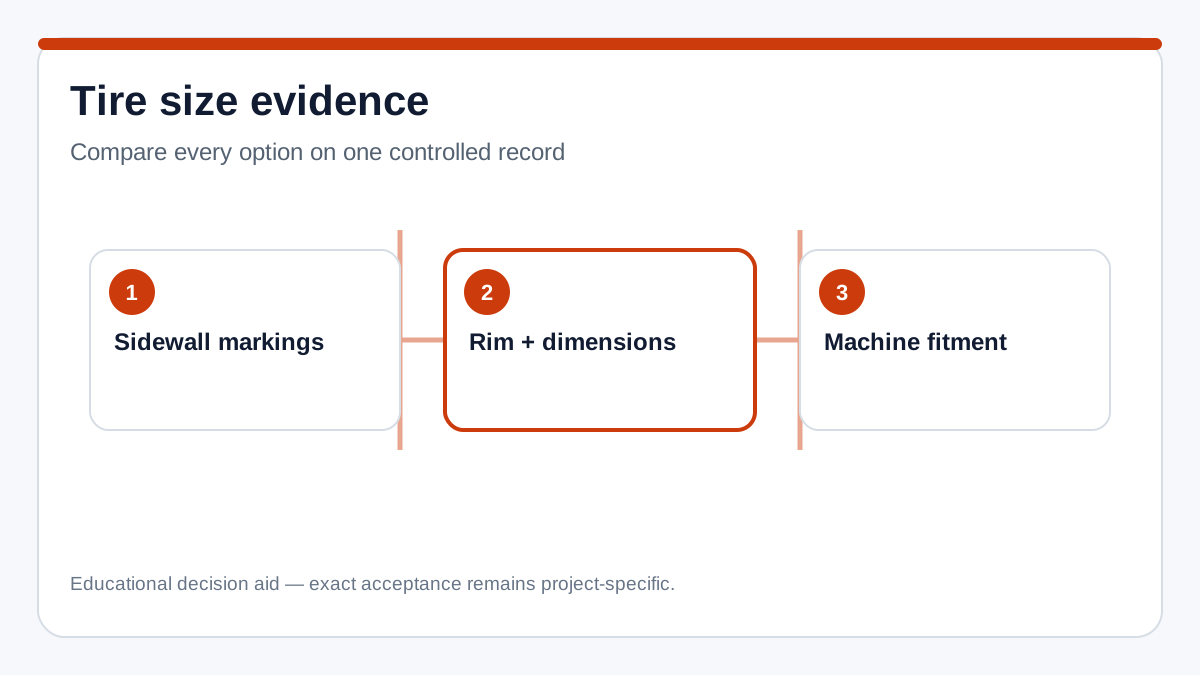
Record the wheel or rim as part of the assembly
Photograph the wheel front and back, center, bolt pattern, pilot, valve area, beads, rim markings, part numbers, offset clues and damage. Record whether the wheel is OEM, aftermarket, reversible or used with a spacer only when documentation supports that description.
The nominal tire size may state rim diameter, but it does not state every compatible rim width and contour. Confirm the exact tire's approved rim data and the wheel's machine fitment. Cracks, elongated holes, corrosion, bead-seat damage or unauthorized repair require qualified inspection.
Measure the installed assembly and clearances
Record overall diameter, maximum section width, tread width and relevant wheel offset or backspacing using a documented method. Note inflation and load state for pneumatic tires. Measurements help compare the installed envelope but do not replace product data.
Check clearance to frame, lift arms, chains or guards, hoses and other tires through the relevant steering or skid motion under the exact machine manual and safe setup. Matching across the machine can matter for drivetrain and handling; use model-specific instructions.
- Machine make, exact model and full serial/PIN range.
- Current tire position, nominal marking, construction and product identity.
- Wheel part/markings, width/contour evidence, bolt pattern, pilot and offset.
- Actual assembly diameter/width and clearance photographs.
- Surface, load, attachment, travel speed, debris and failure history.
Use manufacturer tables for the exact tire
A skid steer tire technical table can link a specific product and size to an approved rim, dimensions, load at stated speed and inflation for pneumatic products. Verify the edition and row and keep a copy with the quote.
Camso's construction tire databook lists, for each product and size row, the approved rim, actual dimensions, inflation pressure and load at stated speeds; rows that share the nominal 10-16.5 or 12-16.5 designation still differ, so its values do not transfer to an unlisted tire.
If a marking is unreadable or the product is discontinued, use measurements and photos to narrow candidates, then confirm through machine parts documentation and a reviewed supplier cross-reference. Missing identity is not permission to guess.
Send a tire-size evidence pack for quote review
A complete request reduces wrong-size and wrong-wheel risk.
- Machine manufacturer, exact model, serial/PIN and cab/axle configuration if relevant.
- Full and close sidewall photos of every marking on both sides.
- Photos of wheel front/back, center, bolt holes, pilot, valve/bead and markings.
- Installed overall diameter, width, position, clearance and matching set.
- Construction, current condition, failure mode, surface, payload and attachment use.
- Any chains or over-the-tire-track plan and the exact product under review.
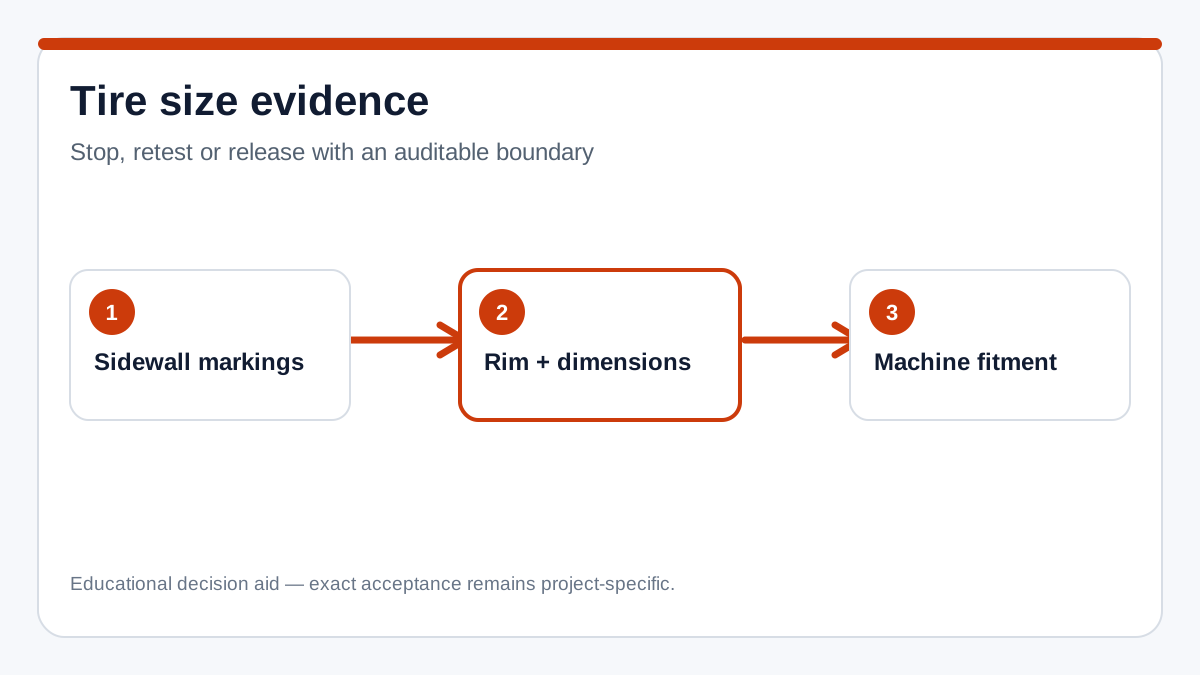
Move from identification to a fitment-reviewed quote
Use the skid steer tire category to identify the commercial product family, then send the evidence through the quote path. Skid Steer Zone is quote-only: a sidewall photo or nominal size can narrow candidates but does not independently confirm fitment.
FAQs
- What does 10-16.5 mean on a skid steer tire?
- In that common nominal format, 10 is the nominal section width in inches and 16.5 is the nominal rim diameter in inches. Confirm the exact manufacturer's format and product table.
- Will any 12-16.5 tire fit the same skid steer wheel?
- No. Also confirm construction, approved rim width/contour, actual dimensions, load/service data, wheel and machine clearances.
- Can tire size tell me the correct inflation pressure?
- No. Use the exact tire manufacturer's load-and-inflation data and the machine application requirements. Do not copy a value from another tire.
- How can I tell whether a skid steer tire is foam-filled?
- Sidewall markings may still be those of the original pneumatic casing. Use service records, valve/assembly inspection and qualified tire-service evidence; do not assume from appearance alone.
- Does the rim-diameter number confirm the wheel fits the machine?
- No. Wheel fit also depends on width/contour, bolt pattern, pilot, offset, structure, condition and machine documentation.
- What if the sidewall marking is unreadable?
- Capture all remaining markings, wheel and machine identity, then measure the assembly to narrow candidates. Final selection still needs a reviewed manufacturer or supplier cross-reference.
Sources and limitations
The sources explain the nominal size format, sidewall fields and product-specific skid steer tire data. No universal fitment, inflation, load, clearance, matching or OTT compatibility is claimed. Final selection remains evidence-based and quote-only.
- McLaren Industries — Skid Steer Tire Sizes Explained
- Prowler — Skid Steer Tire Sizes Explained: Width, Rim Size, and Diameter
- AGTireTalk — Sidewall Identification
- Camso — Construction Tires & Tracks Databook (2018), skid steer loader tire tables