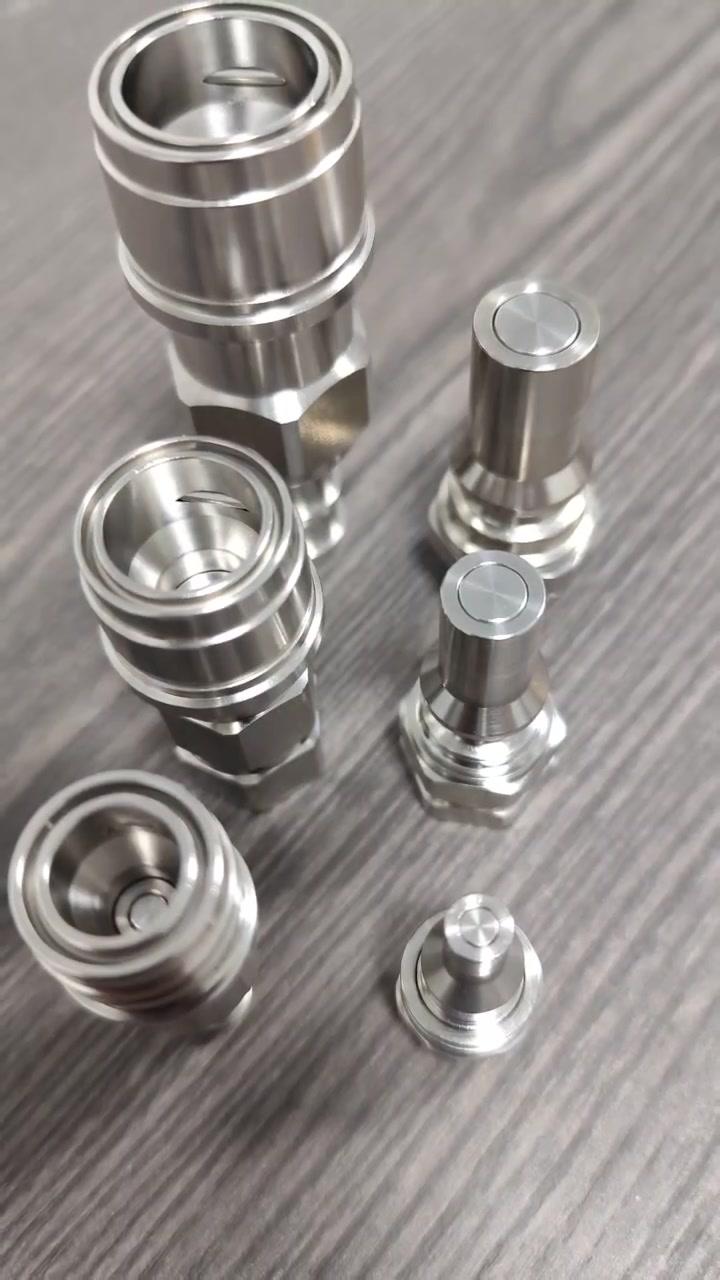
Hydraulic Quick Couplers
Hydraulic couplers for connecting auxiliary lines. Match body size, thread, locking sleeve, seal face, and pressure marking.
View product pageMachine part system
Hydraulic parts
Hydraulic parts transmit, direct, and contain pressurized fluid throughout skid steer loader systems. Pumps create flow, valves control direction and pressure, cylinders produce linear movement, and hydraulic motors power rotary or travel functions. Hoses, fittings, quick couplers, and seals connect and contain the circuit.
These components support lift, tilt, steering, travel, auxiliary, and attachment functions. Because similar-looking parts may use different ports, threads, shafts, connectors, pressure specifications, or mounting patterns, selection should begin with the machine model and serial or PIN, installed location, part markings, and interface dimensions.
First identify whether the component creates flow, directs it, converts it into motion, or connects the circuit. Then document port positions, hose routing, shaft or rod interfaces, electrical controls, case drains, mounting geometry, and the parent assembly before reviewing a hydraulic candidate.
Hydraulic couplers for connecting auxiliary lines. Match body size, thread, locking sleeve, seal face, and pressure marking.
View product page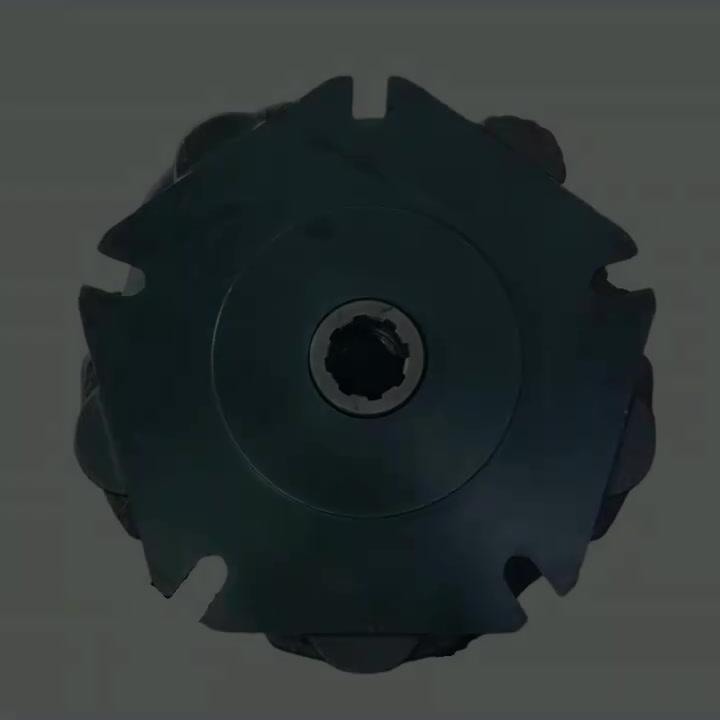
Five-star-pattern hydraulic motor assemblies. Compare flange geometry, shaft, port layout, case drain, and mounting dimensions.
View product page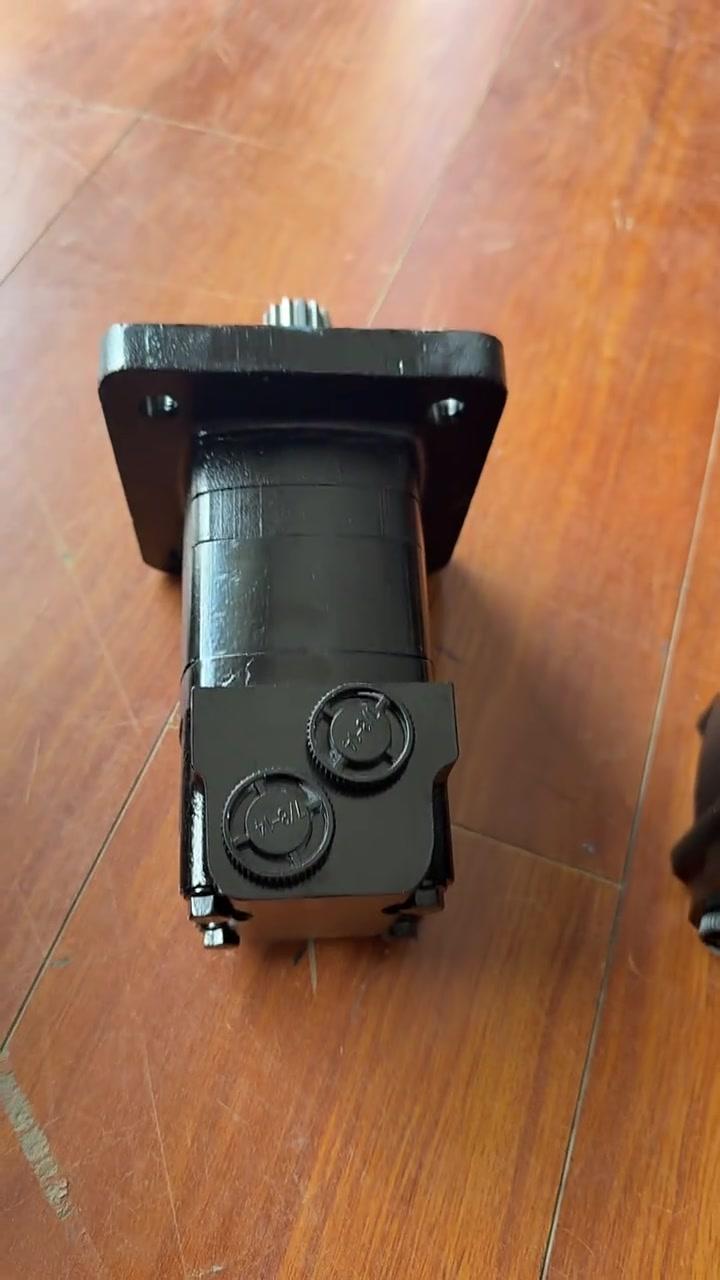
Hydraulic travel motors for machine propulsion. Compare shaft or sprocket interface, flange, ports, case drain, and mounting pattern.
View product page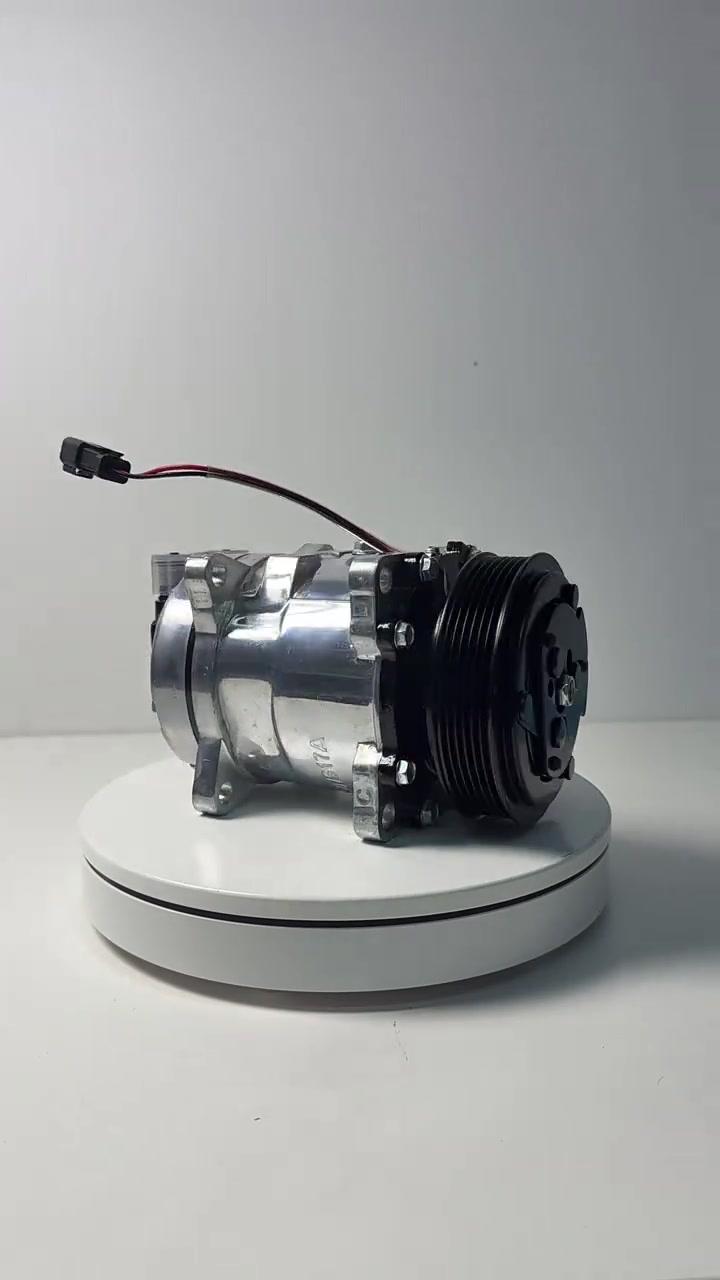
Hydraulic pumps that supply machine circuits. Match shaft, rotation, displacement marking, port layout, flange, and mounting pattern.
View product page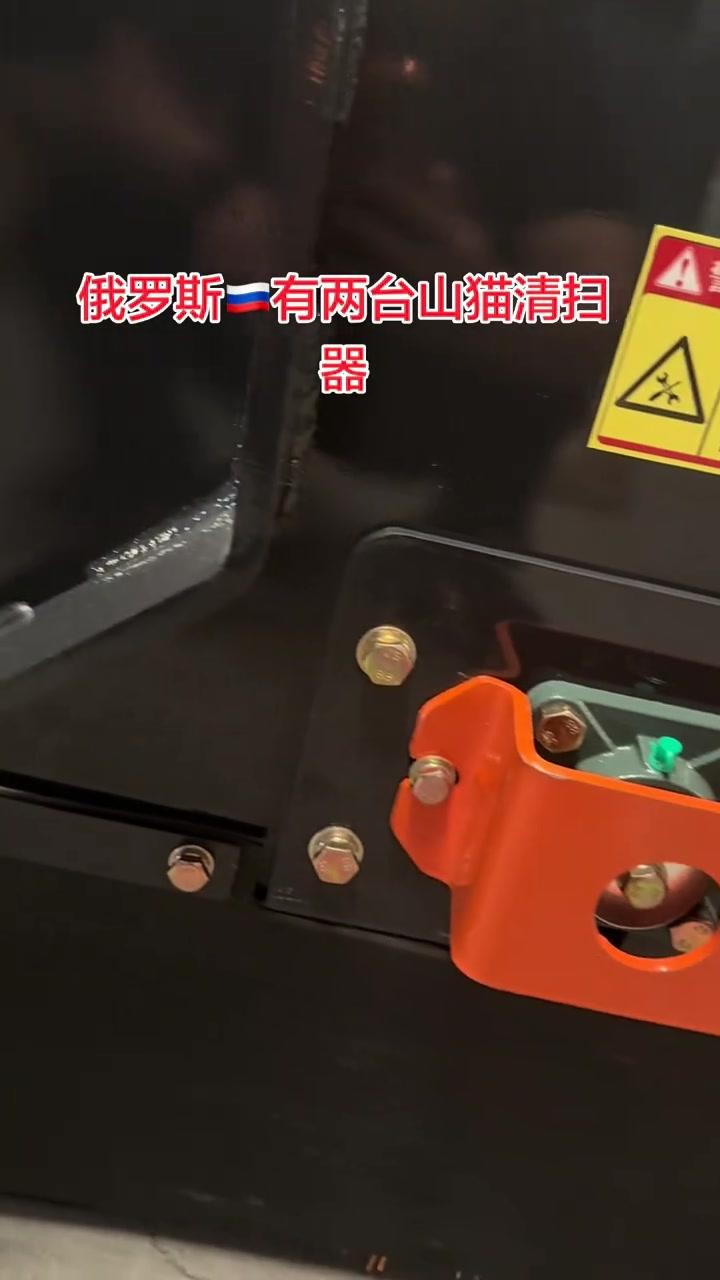
Quick-connect hydraulic fittings for hose and auxiliary circuits. Match thread, body size, connection profile, and seal face.
View product page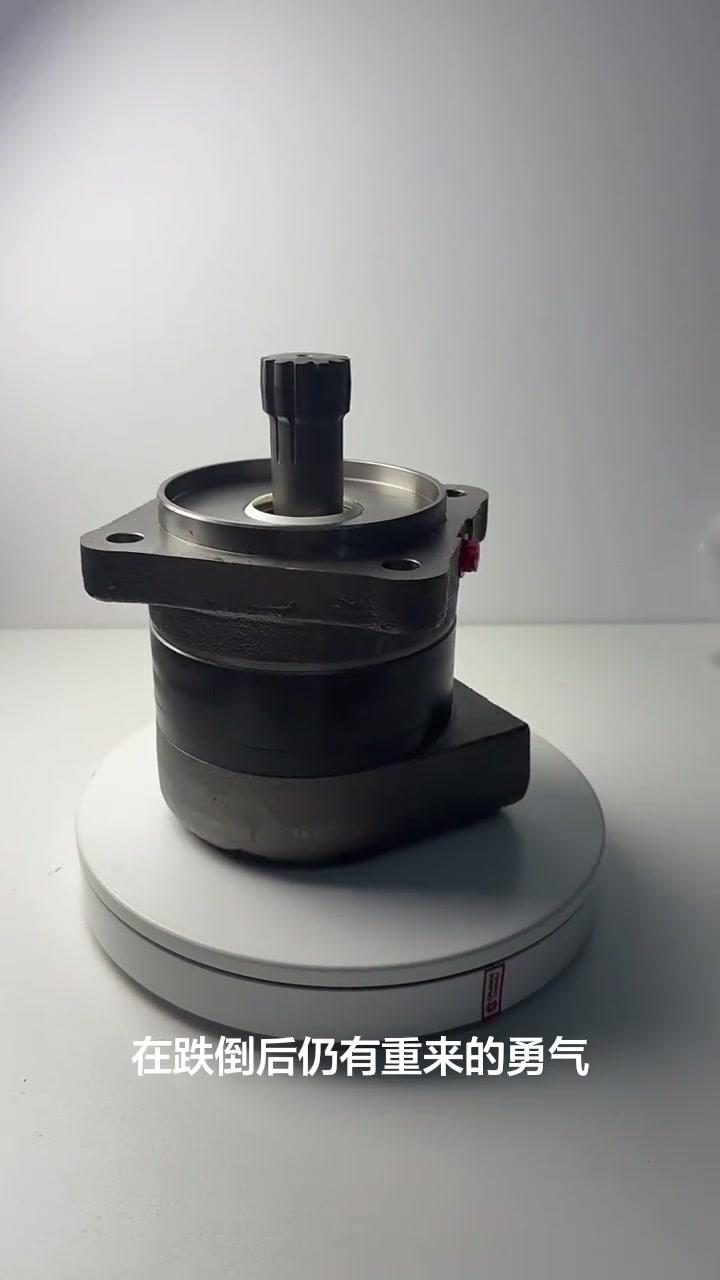
Hydraulic motors for driven machine functions. Compare shaft, flange, displacement marking, port orientation, and case-drain provision.
View product page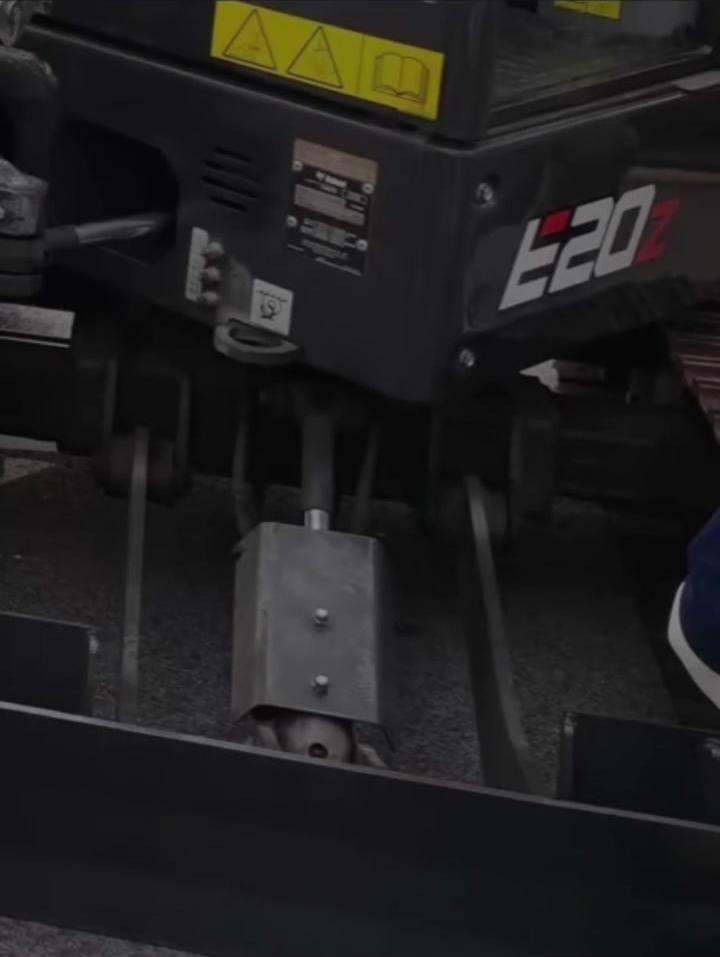
Hydraulic cylinders for lift, tilt, steering, or attachment functions. Match closed length, stroke, bore, rod, ports, and end mounts.
View product page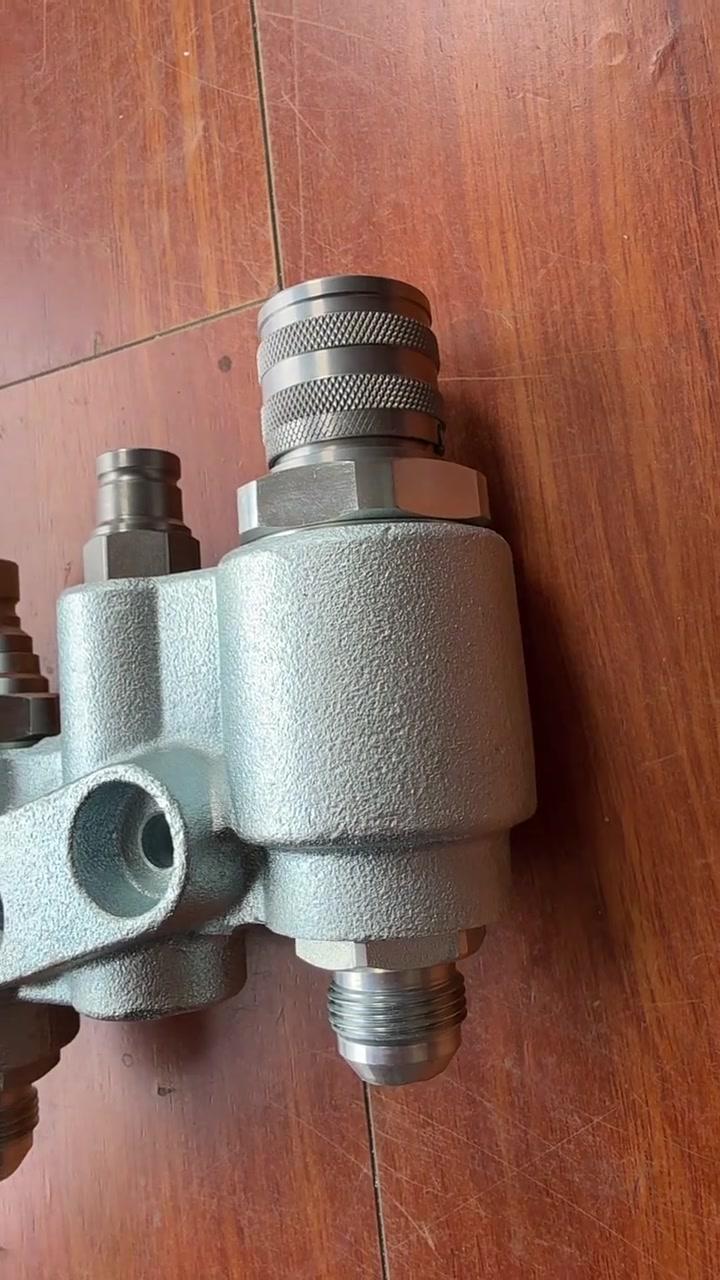
Source-photo group showing a hydraulic quick-coupler assembly. Port, thread, pressure, circuit, connector, and machine application require verification.
View product pageIdentification guide
Before requesting review
Frequently asked questions
No. Similar housings can use different shafts, ports, internal configurations, connectors, pressure ranges, or mounting patterns. Treat appearance as an identification clue and verify the machine, installed position, identifiers, and dimensions.
Provide the machine brand, full model, serial number, installed location, overall photos, close-ups of every marking, and measurable interfaces. Those details help narrow the review without turning a visual similarity into a fitment claim.
No. A result is a catalog or visual candidate. Fitment remains unverified until the relevant machine record, serial context, identifiers, dimensions, and installed configuration have been reviewed together.
Start with the installed component's location and job, then use testing or service information to confirm the failed assembly. A symptom can point to more than one hydraulic or electrical cause.
Include one installed-location photo, one full view of the removed part when available, and close-ups of labels, cast numbers, ports, connectors, shafts, flanges, and mounting points. Add a scale reference for dimensions where practical.
Need help narrowing the part?
Include the full machine identity and the clearest available evidence from the installed part.
Fitment-first search