Choose bucket teeth when breaking into hard or compacted material is the main job. Choose a removable tooth bar when you want added penetration but still need the option to return the bucket to a smoother edge. Keep a smooth edge when grading, backdragging, cleanup, and the finished surface matter more than aggressive entry. That is the work-based answer; the buying answer still depends on the bucket’s condition, cutting edge, side plates, holes, width, and mounting details.
Editorial details
By SkidSteerZone editorial team. Published October 3, 2026. Updated October 3, 2026.
Quick decision
This is a shortlist, not a compatibility chart. Two buckets with the same nominal width can have different cutting edges, side plates, hole patterns, wear, and clearances.
| Your main need | Start with | Verify before ordering |
|---|---|---|
| Repeated digging and penetration | Replaceable bucket teeth | Tooth style, adapters, spacing, existing edge and wear parts |
| Digging plus the option to remove the teeth | Removable tooth bar | Inside width, side mounting, edge thickness, holes and clearance |
| Grading, backdragging and cleanup finish | Smooth cutting edge | Edge wear, straightness, thickness and whether a bolt-on edge is present |
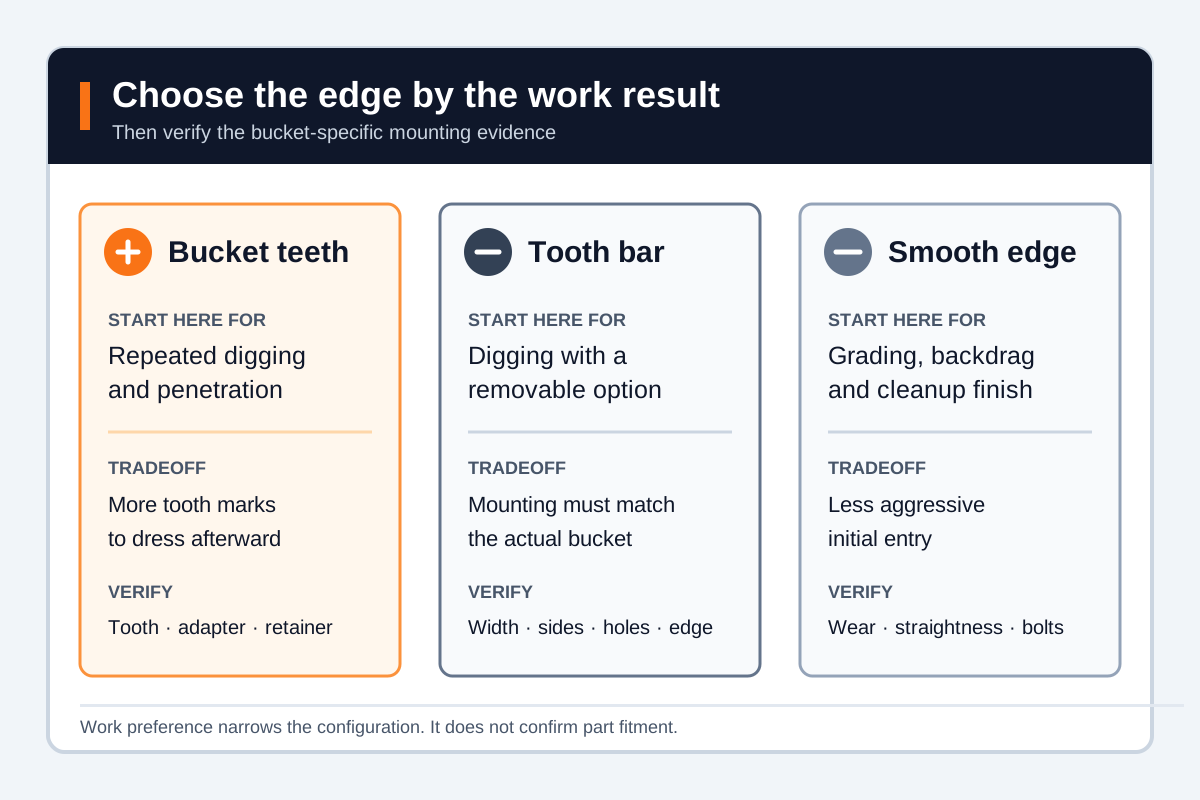
Bucket teeth favor repeated penetration
Individual teeth put the first contact at several points instead of across one continuous edge. That makes teeth the logical starting point when the work repeatedly asks the bucket to enter compacted soil, clay, packed fill, or mixed material.
The tradeoff is the edge left behind. Teeth can disturb a surface that would be easier to dress with a smooth edge. If the same bucket must dig and then perform finish work, decide whether another bucket is available or whether a removable configuration is more useful.
Treat “bucket teeth” as a configuration family, not a single interchangeable part. The tooth, adapter, retention method, spacing, and existing cutting edge all matter. A photo of the full front edge and close photos of one complete tooth position are more useful than the machine model alone.
A tooth bar adds a removable decision
A tooth bar carries multiple teeth on a bar fitted across the bucket edge. Its main decision advantage is removability—when the specific bar and bucket use a compatible mounting arrangement.
Width alone does not establish fitment. A supplier needs to see where the bar bears on the cutting edge, how its ends meet the bucket sides, whether usable side holes exist, and whether wear or previous repair changes the mounting surface.
If the bucket alternates between breaking material and smoothing a site, a removable tooth bar may reduce the compromise. If it spends nearly all its time digging, a dedicated toothed setup may be the more direct configuration. Neither choice creates a universal productivity or service-life advantage; material, bucket geometry, carrier, condition, and operation all change the result.
A smooth edge favors grading and backdrag finish
A smooth cutting edge is usually the cleaner starting point when the target is an even graded surface, backdragged finish, loose-material cleanup, or reduced tooth marks. It spreads contact across the edge rather than beginning at several tooth points.
Do not assume a smooth edge is ready just because no teeth are installed. Check whether the edge is straight, evenly worn, cracked, repaired, or fitted with a bolt-on replaceable edge. A worn or distorted edge can change both the finish and the measurements used for a later tooth-bar inquiry.
Compare the wear strategy
The three choices manage wear differently:
- A toothed bucket relies on identifiable wear components such as teeth, retainers, and adapters.
- A tooth bar moves the tooth set onto a removable assembly, but the bar, teeth, mounts, and bucket edge still need inspection.
- A smooth bucket places attention on the cutting edge itself, including straightness, remaining material, bolts, and repairs.
- Before requesting parts, record what is actually replaceable on the current bucket. Do not infer a tooth system from a distant photograph or a tooth-bar fit from nominal width.
Check bucket condition and mounting evidence
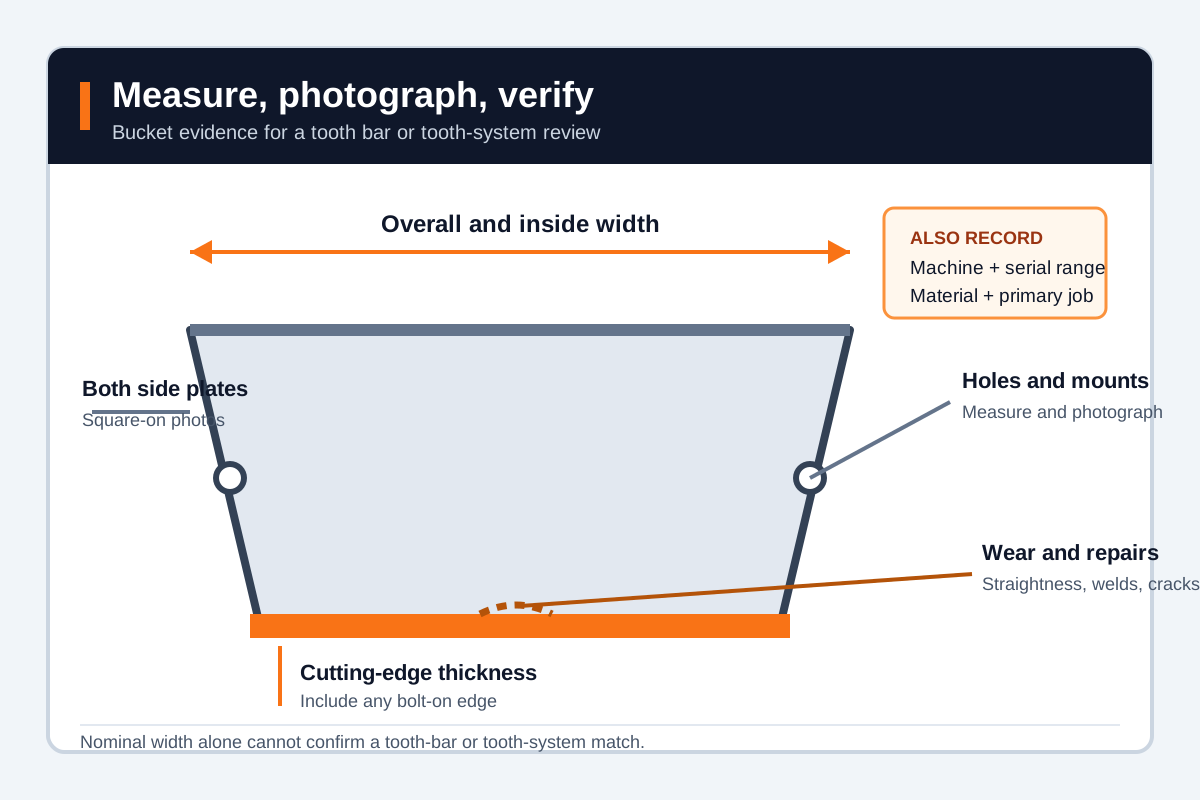
Start with the empty, cleaned bucket where the cutting edge and side plates are visible. Record:
- Bucket make or identification plate, if present.
- Overall bucket width and the inside dimension relevant to the proposed bar.
- Cutting-edge thickness and whether an additional bolt-on edge is installed.
- Clear photos of the full front edge, both side plates, existing holes, bolts, welds, and repairs.
- Close photos and dimensions of any existing tooth, adapter, retainer, or mounting point.
- The primary material and whether the job prioritizes digging, finish work, or frequent switching.
- Machine model, serial range, and coupler details for the broader attachment review.
Use the matching evidence path
For carrier-side preparation, use the attachment fitment checklist. To review the commercial bucket family, see the available skid steer bucket options.
Choose by work first, then prove fitment
Name the result the job needs, shortlist teeth, a tooth bar, or a smooth edge, then document the bucket before ordering. This prevents a work-type preference from being mistaken for a confirmed part match.
References
Manufacturer comparison from the original research: Virnig — Bolt-on, Weld-on Teeth, Toothbar or Serrated Bucket Edge Options.
The manufacturer comparison discusses weld-on teeth, removable tooth bars, and the limitations of teeth for grading and backdragging. It informs the work-type shortlist; it does not establish compatibility with your bucket.
Source and limitation notes
- Research compared search-result excerpts for this bucket-edge decision in the United States and English-language market.
- Search-result snippets and community discussions frame the buyer decision but do not prove compatibility, safety, productivity, lifespan, price, or brand superiority.
- Final fitment requires bucket-specific and carrier-specific evidence.