For a skid steer hydraulic cylinder described as “resealed,” ask the repairer which professional work is included for that cylinder: seal replacement, rod repair or barrel honing. Yates names these as possible cylinder-repair work, with the applicable scope depending on condition and damage. Its industrial repair description does not establish a standard skid-steer reseal package. TVH's skid-steer-specific guidance says repair depends on the extent of damage and may require a skilled technician. The useful answer is the applicable component work, not a repair-or-replacement verdict from the label.
By Skid Steer Zone Team · Published October 10, 2026 · Updated October 10, 2026
Separate seal replacement from rod and barrel work
Yates' hydraulic cylinder repair description lists seal replacement and rod repair among possible repair work. Its mill-duty section specifically includes barrel honing. These are separately named possibilities, and Yates qualifies the overall repair scope by cylinder condition and type of damage. A description of seal replacement therefore should not be treated as a promise that rod repair and barrel honing are included as well.
For a professional scope that offers seal replacement, the cylinder-specific question is whether that is the applicable work on this cylinder or whether rod or barrel work is also proposed. If the repairer proposes rod repair, discuss that named work separately from the seals. If barrel honing is proposed, ask why it is applicable to this cylinder and what the professional assessment supports. Naming all three operations in a provider's service description does not make all three necessary for every job.
This distinction helps you discuss the component work with the repairer without selecting a remedy yourself. Seal replacement, rod repair and barrel honing remain separately named possibilities; the retained source does not establish whether “resealed” includes all of them in a particular job. This guide supplies no machining instructions, surface limits or test criteria for deciding among them.
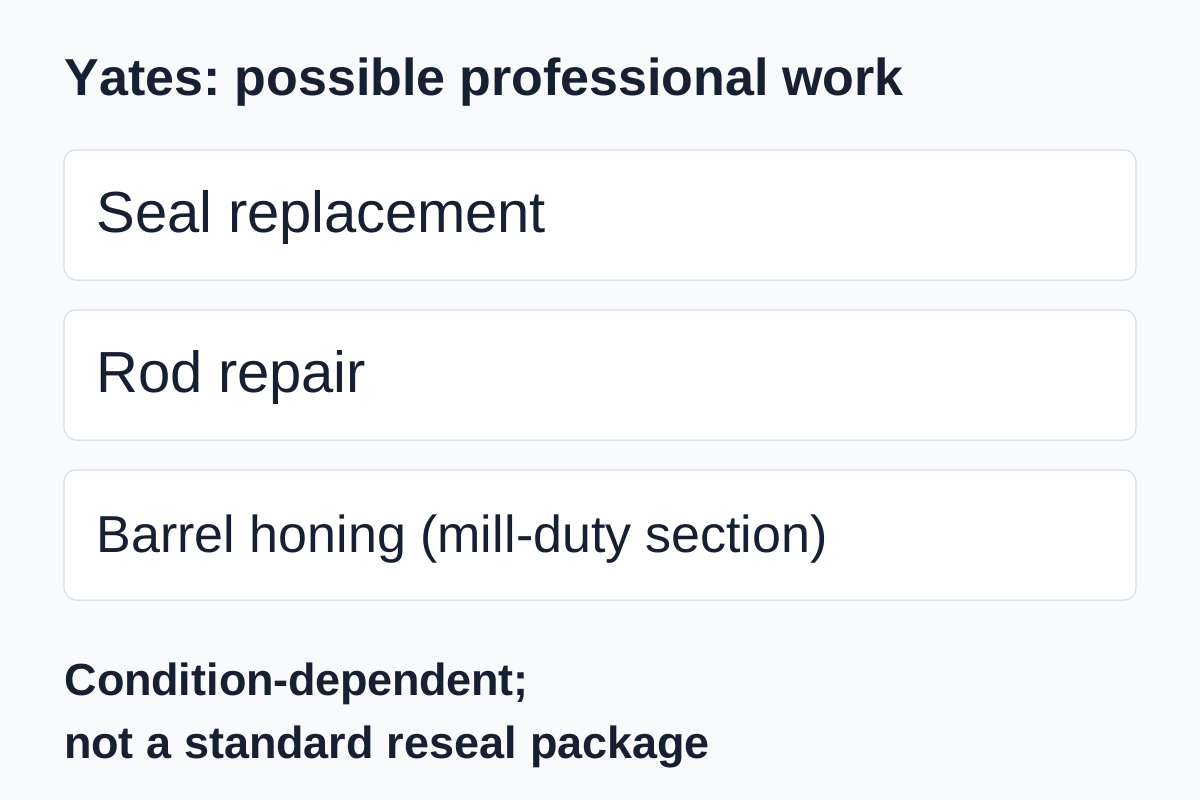
Check which cylinder application the source describes.
Yates' page covers tie-rod, welded and mill-duty cylinder repair. The passage explicitly naming barrel honing is in its mill-duty discussion, which describes industrial applications including steel mills, mining and heavy manufacturing. That context matters when using the passage to understand a skid steer repair proposal: it illustrates a provider's possible component work, but does not confirm that a particular skid-steer cylinder needs, permits or will receive that work.
The more directly applicable TVH skid-steer cylinder repair FAQ says repair depends on the extent of damage. In some cases replacement is the only course; in others a skilled technician can repair the damage. TVH does not supply a threshold here for choosing seal replacement, rod repair or barrel honing. Use that passage to keep the choice with the qualified assessor, rather than transferring an industrial service list to your machine.
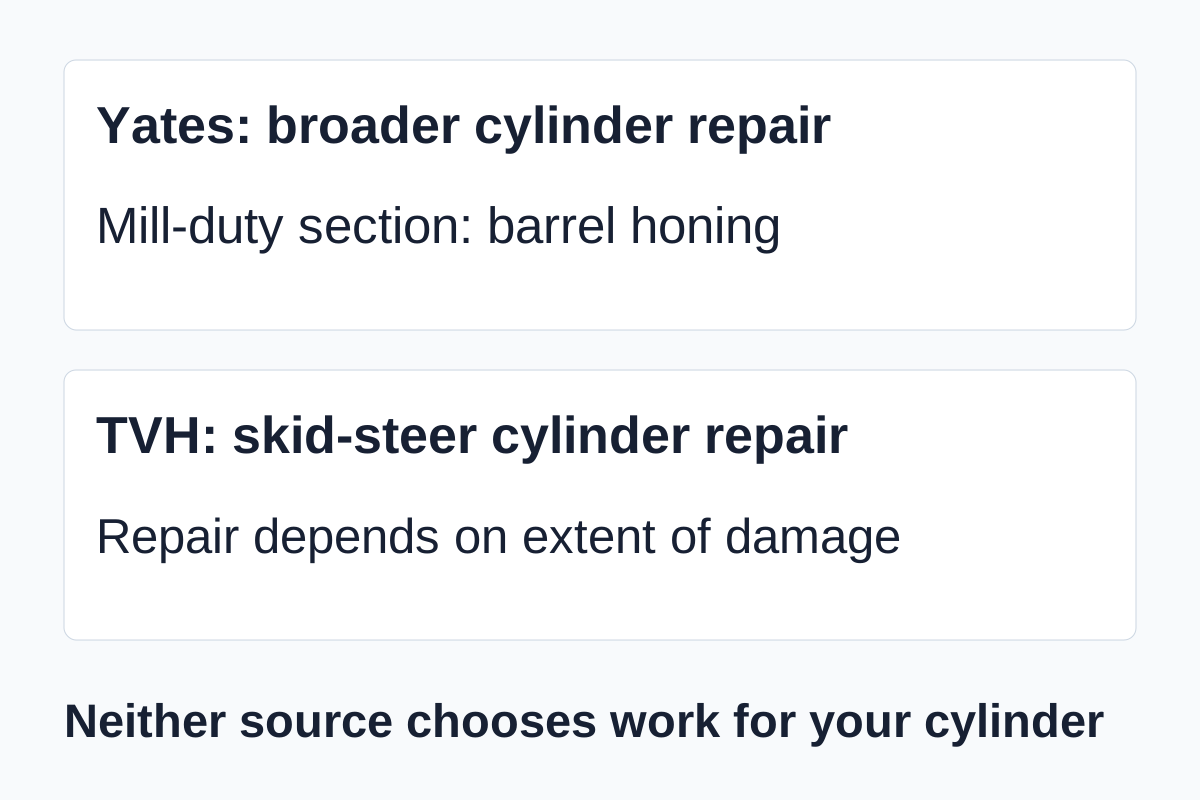
Keep replacement as a conditional professional decision.
Yates says severe structural damage, extensive corrosion or repeated failures may make replacement the more practical solution. The word “may” matters: this is a conditional provider statement within its broader cylinder-repair discussion, not a damage limit or a replacement rule for skid steers. A history of repeated failures alone does not identify a seal-kit fault or settle the appropriate work.
Discuss how the qualified assessment affects the proposed component work and whether repair or replacement is appropriate for this particular cylinder. The retained sources support that professional distinction; they do not establish a universal definition of “resealed,” a repair price advantage or a warranty covering the rod and barrel.
If you also need to identify the installed part, use the site's cylinder identification guidance. That is a separate identification resource, not a cylinder repair-assessment service.