Fitment-first sourcingQuote-only serviceMulti-brand supportNeed help? Contact us

Lift Arm & Quick Attach

Quick Attach Components

Product pages

Quick Attach Components

Quick Attach Components guide

Quick Attach Components

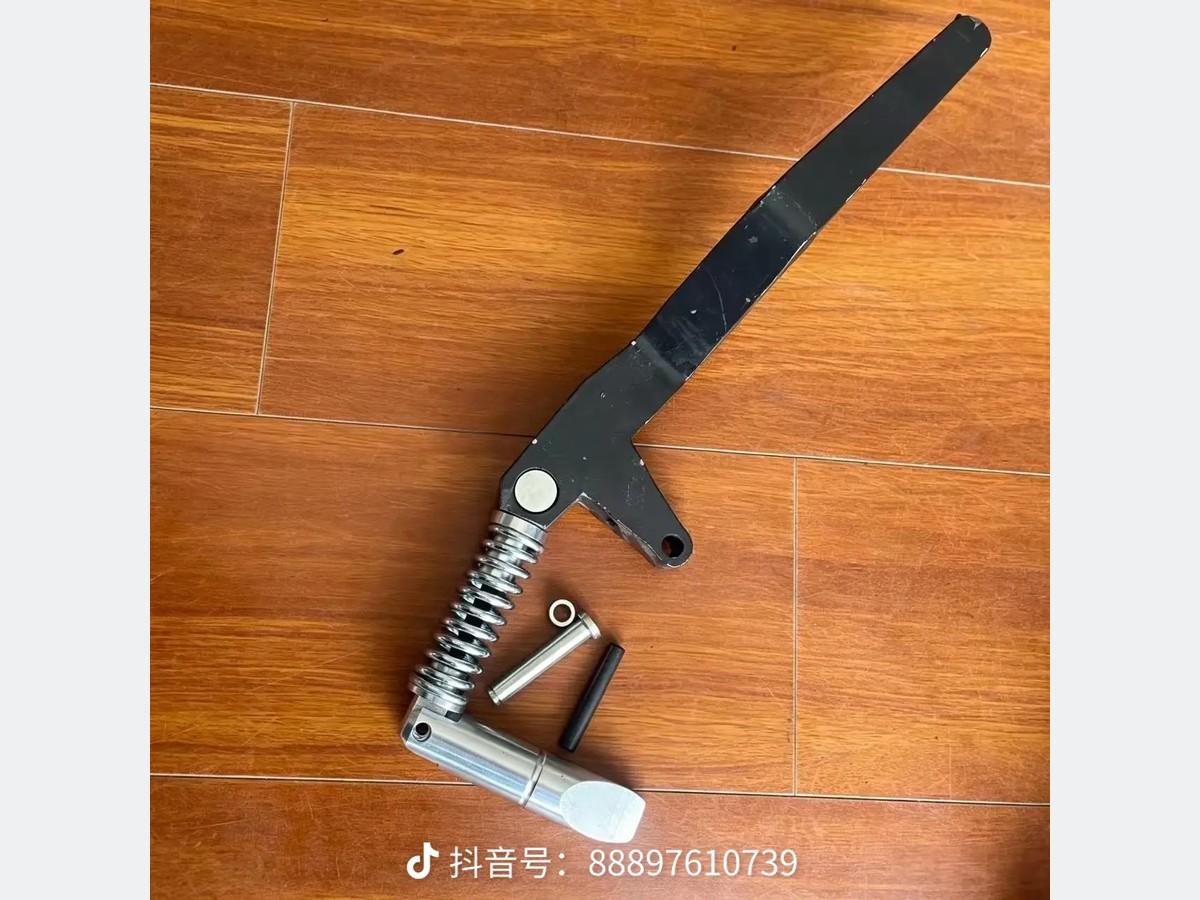
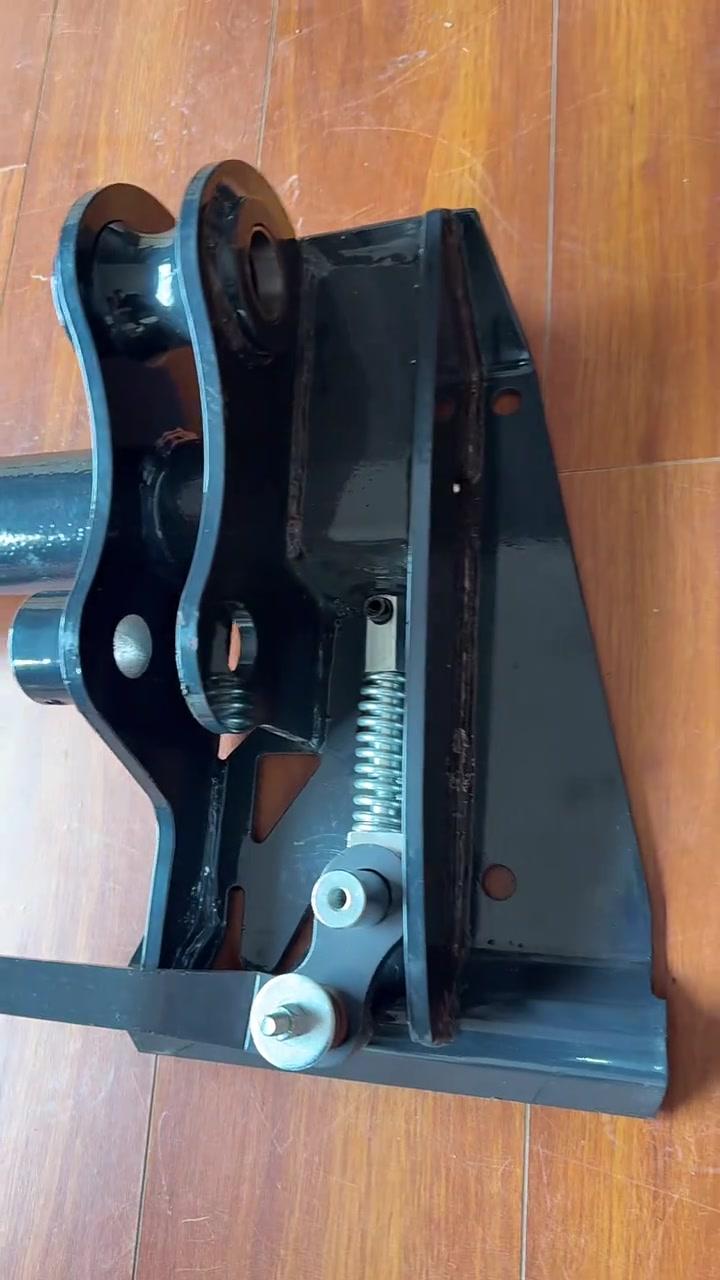
Levers, wedges, springs, and components for loader attachment interfaces.

Inspect both sides of the attachment interface and document how the locking mechanism moves. Compare lever or actuator arrangement, wedge shape and travel, pin and bore sizes, springs, links, stops, mounting spacing, plate wear, and engagement with the attachment hooks. Interface geometry must be reviewed as a system.

Use the machine identity, installed function, measurable interfaces, readable markings, and source photos together. A matching shape, connector, or single dimension is not proof of fitment.

Identification starting points

Three evidence paths to use together

Machine and function

Record the complete machine identity, installed system, exact position, and job performed by the component.

Interfaces and dimensions

Measure the physical features that connect, mount, seal, rotate, guide, or retain this loader structure and interface part.

Identifiers and source evidence

Capture labels, part and casting numbers, revisions, full views, close-ups, and the surrounding assembly.

Selection checklist

Details to compare before requesting a match

  • Machine identityBrand, full model, serial or PIN, loader interface, and installed configuration.
  • Installed positionLift arm, linkage, quick attach, mount plate, guard, panel, or counterweight location.
  • Pivot geometryPin diameter, bore, bushing, spacing, grease path, and retention method when present.
  • Interface dimensionsPlate width, height, angles, hooks, wedges, mounting holes, and clearances.
  • Condition and functionWear, deformation, missing hardware, movement, and the component's exact job.
  • Identifiers and photosPart or casting number, markings, full installed views, and measured details.

Frequently asked questions

Quick Attach Components identification

Can quick attach components be confirmed from appearance alone?

No. Similar-looking candidates can differ in dimensions, interfaces, internal configuration, material, or application. Use appearance only as a starting clue and compare machine identity, installed position, pivot geometry, interface dimensions together with readable identifiers.

What if the original part number cannot be read?

Provide the machine brand, full model, serial or PIN, exact installed position, overall photos, close-ups of every marking, and the measurable loader structure and interface part interfaces. Missing identification data should remain unverified rather than being guessed.

Why does the installed position matter?

Quick Attach Components can change by machine side, function, parent assembly, serial range, or option package. The installed location helps distinguish candidates that otherwise share a similar shape or connector.

Does a catalog candidate mean the part fits?

No. A result only places the item within the Quick Attach Components review path. Fitment remains unverified until the machine record, identifiers, dimensions, interfaces, and installed configuration have been reviewed together.

What photos help identify quick attach components?

Include the installed context, a full view of the component, every side and mating interface, readable labels or castings, and close-ups of critical measurements. Keep the parent assembly or mating component visible where practical.

Still not sure which part you have?

Send the component and machine evidence for review

Include the installed position, readable identifiers, interfaces, dimensions, source photos, and full machine identity.

Fitment-first search

Select your machine

Serial numbers are used only to review fitment. Do not enter ownership or payment information.
WhatsApp